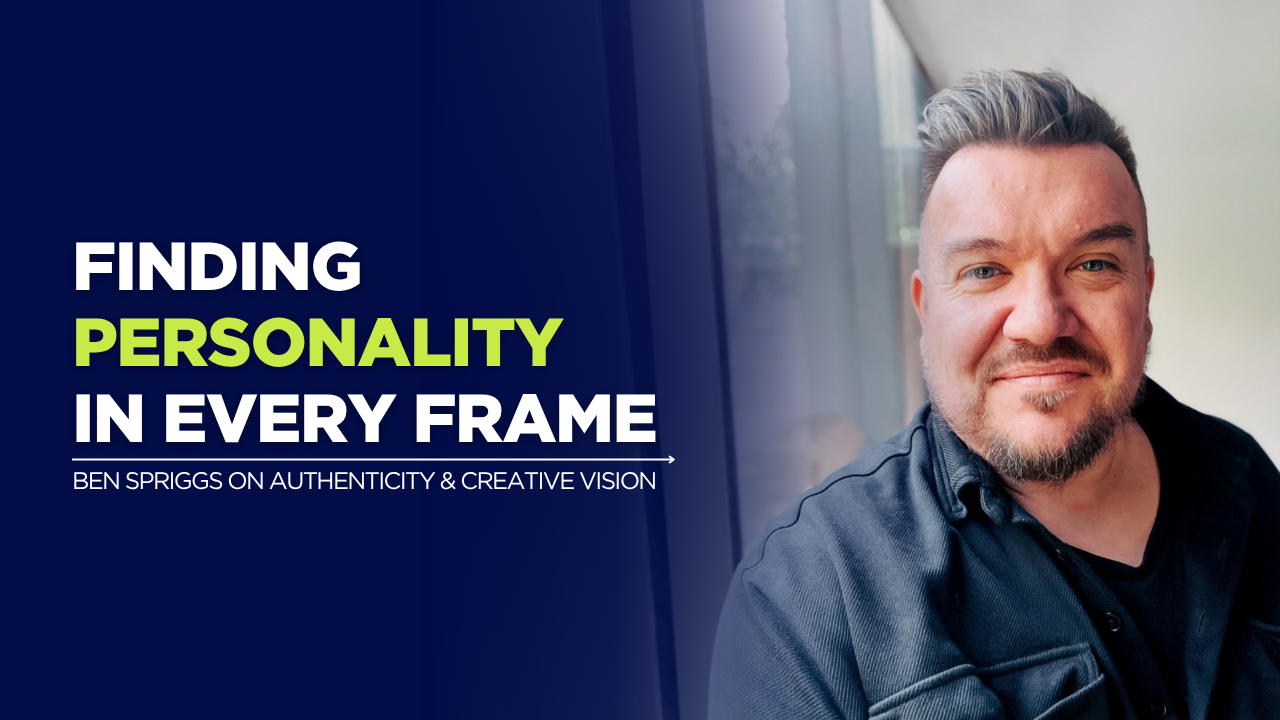
Finding Personality in Every Frame : Ben Spriggs on Authenticity & Creative Vision
Ben Spriggs creates commercial photography that feels natural, warm, and genuinely human. He often works with real people rather than professional models, taking the time to create an environment where they can relax and let their personalities come through. His work spans lifestyle and campaign projects for brands including LEGO, Bupa, NHS, and Manchester United, as well as characterful product photography. In this feature, Ben talks about where his ideas come from, why making people feel comfortable matters so much, and what gives an image that lasting sense of connection.

Inspiration That Builds Over Time
Ben’s visual style has developed naturally over time, shaped by the things he enjoys and the images that catch his attention. He’s especially drawn to photographs where you can instantly sense someone’s personality, rather than a style that feels overly planned or intentional.
“I love it when you can instantly get a sense of personality from the person in an image. So I use a wide range of sources, I often keep references, I always have note books so I often draw out ideas. I think personal visual style is just something that happens over time from things I enjoy, opposed to solely pre intentional, for me.”
His creative process is deliberately open-ended. He keeps references, maintains notebooks, and sketches ideas, allowing different influences to accumulate over time. Rather than deciding exactly what his style should be, he sees it as something that naturally emerges through continued creative exploration.
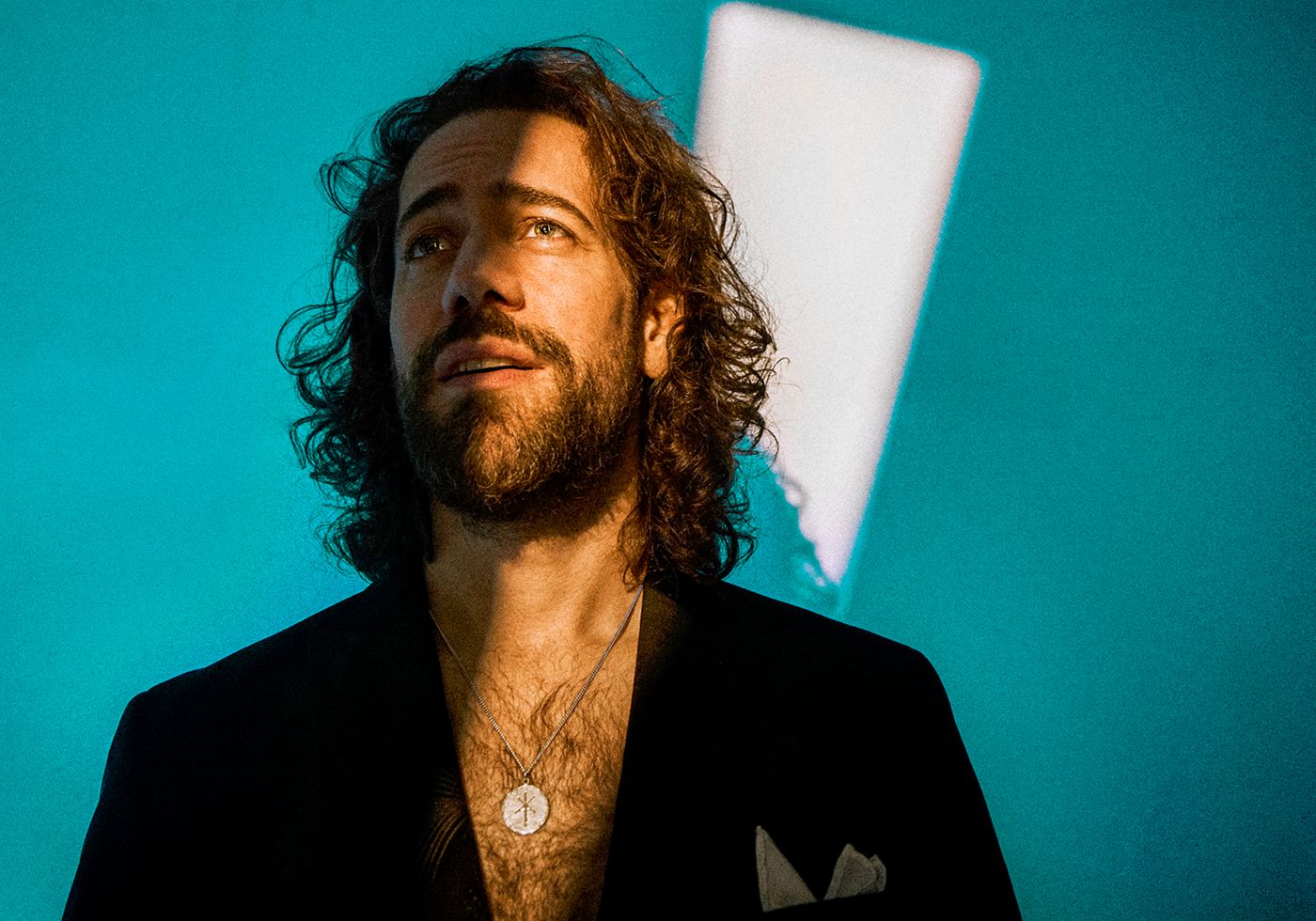
The portrait of the man with long curly hair captures this idea beautifully. The bold blue backdrop and directional light give the image a strong visual presence, while the geometric shape of light adds another layer to the frame. But what really draws you in is his expression and upward gaze — there’s a sense of character and emotion that feels immediate and natural. It’s exactly the kind of personality Ben looks for in an image.
Creative Direction Built Around the Subject
When beginning a new shoot, Ben starts with what the subject needs to express. The environment is shaped to support that, especially when working with non-models who may find the process unfamiliar.
“I really focus on what I need the subject to show, so this is reflected in the environment you give them. I work a lot with real people, non models for campaigns so it can be an unusual process for them.”
The environment is more than just a backdrop; it plays an important part in shaping the image. It helps people understand the mood, feel more at ease, and naturally find their place within the photograph.
This is especially important when working with real people on campaigns. Not everyone is used to being in front of a camera, and it’s completely natural for them to feel a little unsure at first. For Ben, the photographer’s role goes beyond lighting, composition, and exposure—it’s also about creating the right environment for people to feel comfortable and be themselves.
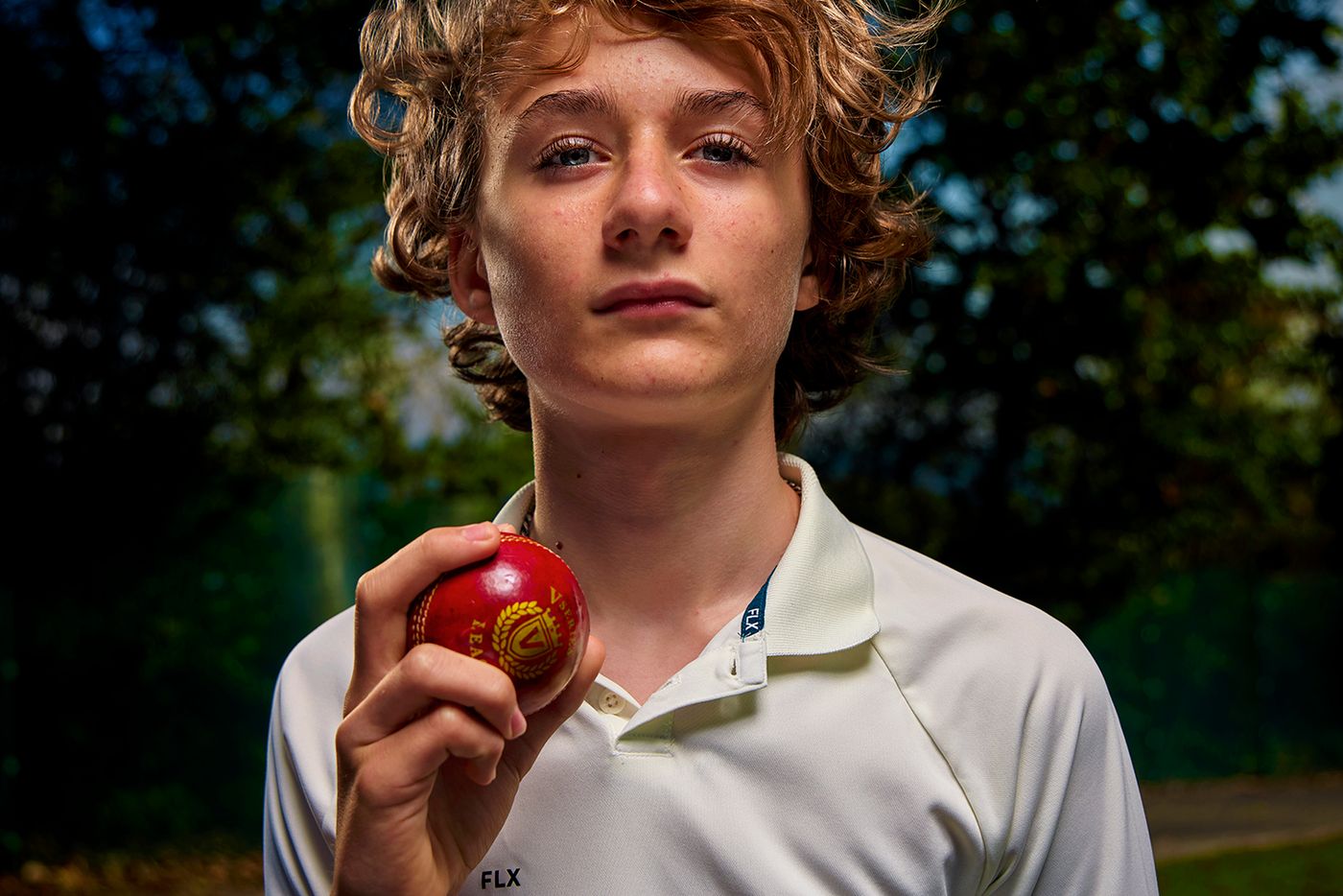
The outdoor portrait of the young boy holding a red cricket ball is a great example of this approach. Shot in natural light with a soft, leafy background, the setting feels familiar and unforced rather than carefully staged. His calm, direct gaze, along with the simple cricket ball, gives the image a quiet sense of confidence and character that feels completely natural to him.
Equipment as a Tool for Vision
Ben values the recent advances in lighting, cameras and software. For him, equipment is not secondary — it is the practical means of bringing a clear idea to life, especially under the constraints of location and schedule.
“There has been some really good equipment development over the last few years, lighting/cameras/software etc. There’s a lot more choice of how you bring the vision forward and the restrictions to do it. It’s fair to say equipment does play a major role in my work, usually because of where and how I need to shoot, it's the tools I use to make sure the vision shines through. ”
The distinction is important. The equipment may influence how an image is captured, but the creative intention comes first.
Whether working on location or in a controlled environment, the tools need to serve the requirements of the photograph. The right camera, lighting setup, or software becomes part of the process of translating an idea into a finished image.
For Spriggs, technology expands the possibilities — but it doesn't replace the reason for making the picture in the first place.
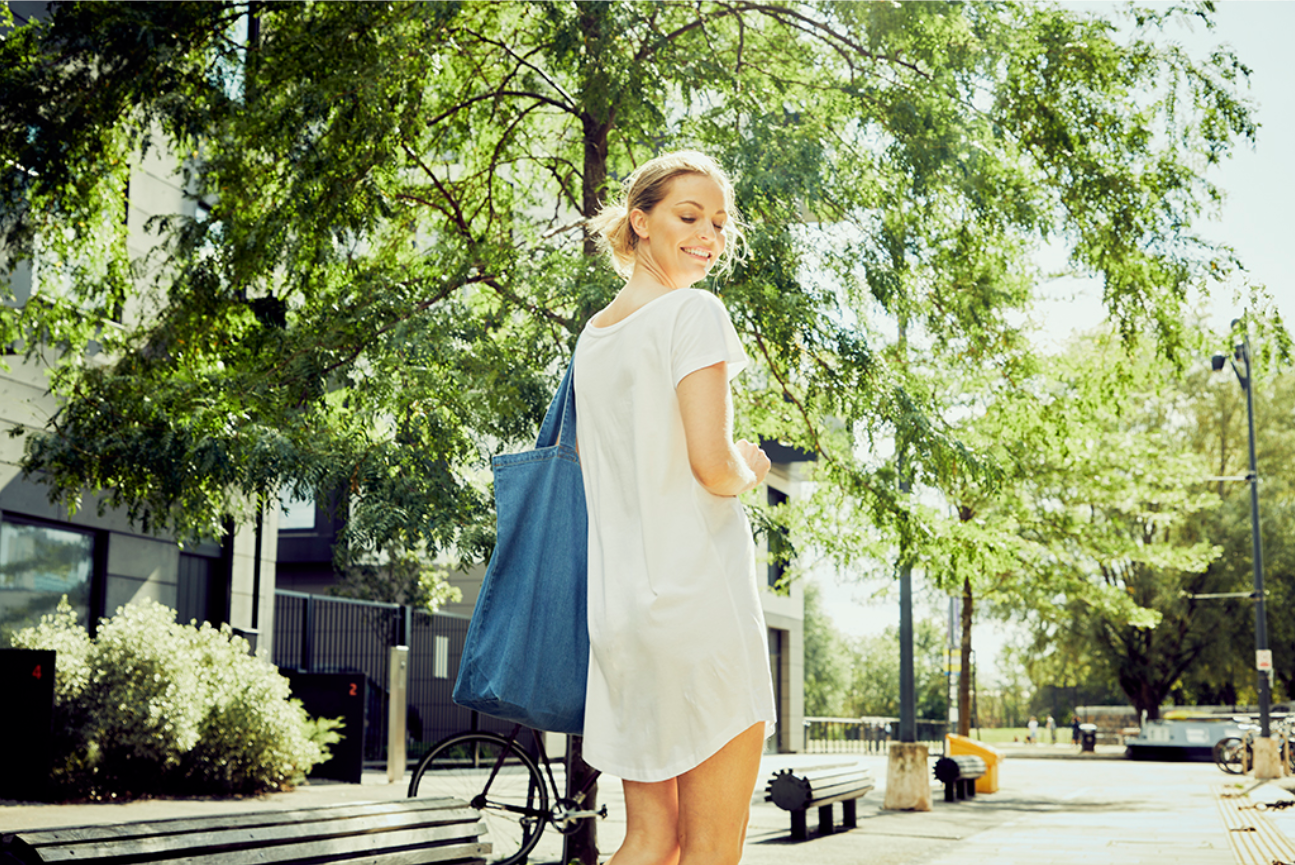
The bright, sunlit lifestyle image of the woman in a white dress carrying a blue tote bag shows how technical control serves the idea. Clean natural light, careful exposure and a lively urban setting allow the subject’s relaxed movement and smile to remain the focus. The tools support the feeling rather than compete with it.
When an Image Carries Its Own Emotion
A product image succeeds, Ben believes, when it contains a sense of something happening — a moment the viewer only partially witnesses — and when it produces an immediate emotional response.
"I love it when it feels like something's going on, and you're just getting an element of it. It’s when you get an instant feeling from an image, good, bad, it doesn't matter as long as there's a change in the viewer's emotion. I believe the image has to have self context, I don’t know how to articulate it, but I think we all know it when we see it."
For him, a successful photograph doesn't necessarily need to tell the viewer everything. In fact, leaving something unresolved can make the image more engaging. The viewer sees a moment and instinctively wonders what happened before it or what might happen next.

The bold commercial portrait of the bearded man in the captain’s hat, holding a crisp with a seagull perched on his shoulder, is a great example of this. Against the bright red background and REAL HANDCOOKED SEA SALT branding, his exaggerated expression immediately grabs your attention, while the unexpected seagull adds a playful twist. There’s humour, surprise, and plenty of personality in the frame, making the image feel like a little story you want to look at twice.
Authenticity Is Becoming Part of Brand Value
Clients are thinking further ahead about brand value. Behind-the-scenes content has grown in importance, and authenticity is becoming a stronger differentiator. While AI is widely discussed, Ben has not yet felt its impact in day-to-day commercial work.
"I would say clients seem more aware of longer & further value they have as a brand. A simple example is the behind the scenes shot’s have greater value now etc. I hear a lot online about Ai and its impact, but in reality, in my day to day, I’ve not noticed any impact from it. I think authenticity will play a big part in the future in terms of value"
Artificial intelligence is also increasingly discussed across the creative industry. However, Spriggs says he hasn't experienced a significant day-to-day impact on his own work so far.
The Overlooked Work of Making People Comfortable
The element Ben feels is most often missed is the time and care spent helping non-professional subjects feel at ease. Genuine expression is only possible once trust is established.
“I think the amount of work that goes into making people feel comfortable in front of the camera gets overlooked. What actually makes a shot work is the person in it, and getting a genuine expression or moment out of someone who isn't a professional model takes work. My whole approach is about building that trust quickly, whether I'm on set with brand’s like LEGO, Bupa, NHS, Man Utd. It means the subject never feels intimidated or managed. They feel like themselves. And that's where the character in the image comes from. People see the final photo, but they don't see the conversation, the joke, the bit of time I took to settle someone down before I ever lifted the camera.”
That process can involve conversation, humor, patience, and simply giving someone enough time to settle into the situation. None of those things necessarily appear in the finished photograph, but they can determine whether the expression in the final frame feels genuine.
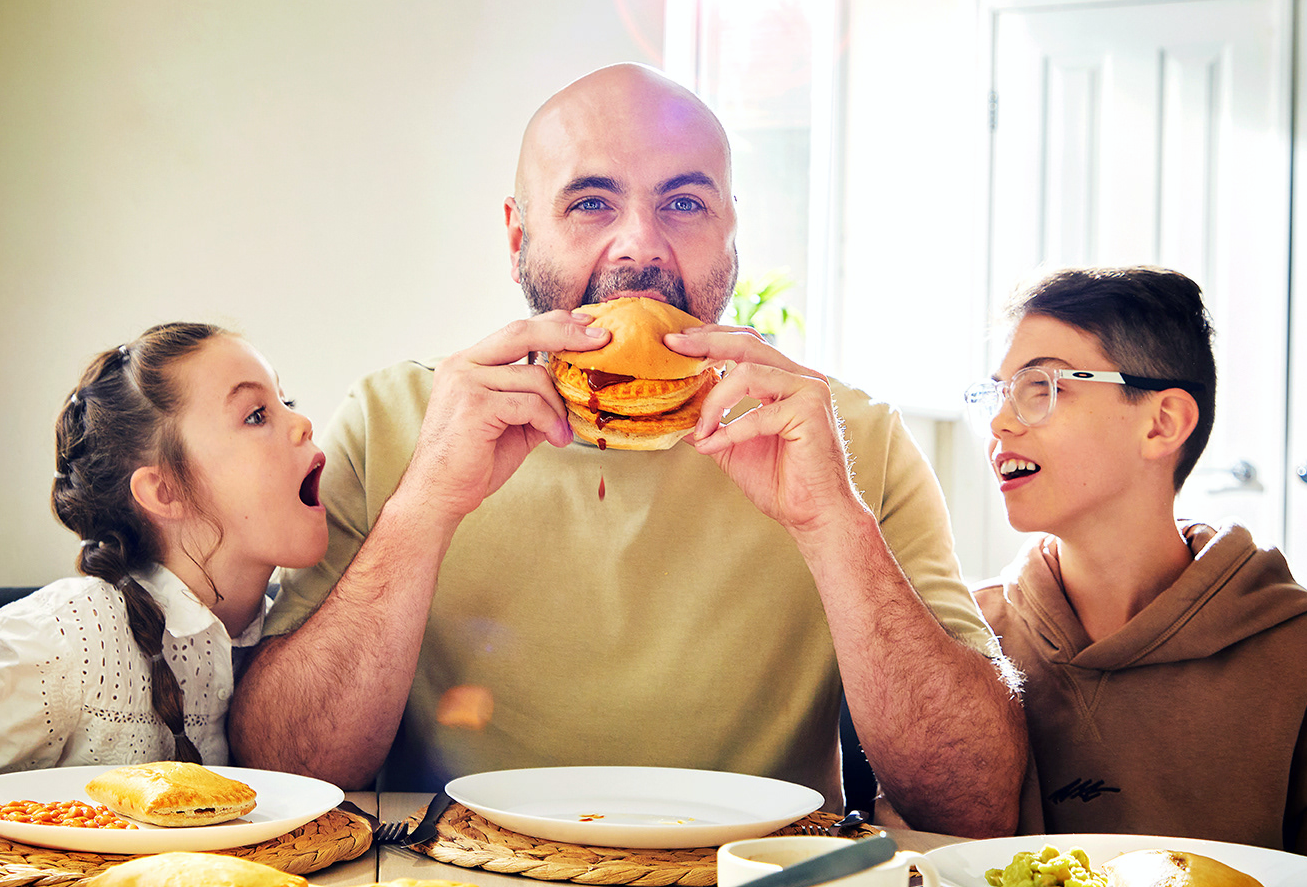
The warm family scene around the dining table illustrates the result of that process. The father takes a large bite of a burger while sauce drips, the daughter looks on in wide-eyed surprise and the son laughs. The moment feels unforced and full of personality — the kind of authentic reaction that only appears when people are comfortable enough to be themselves.
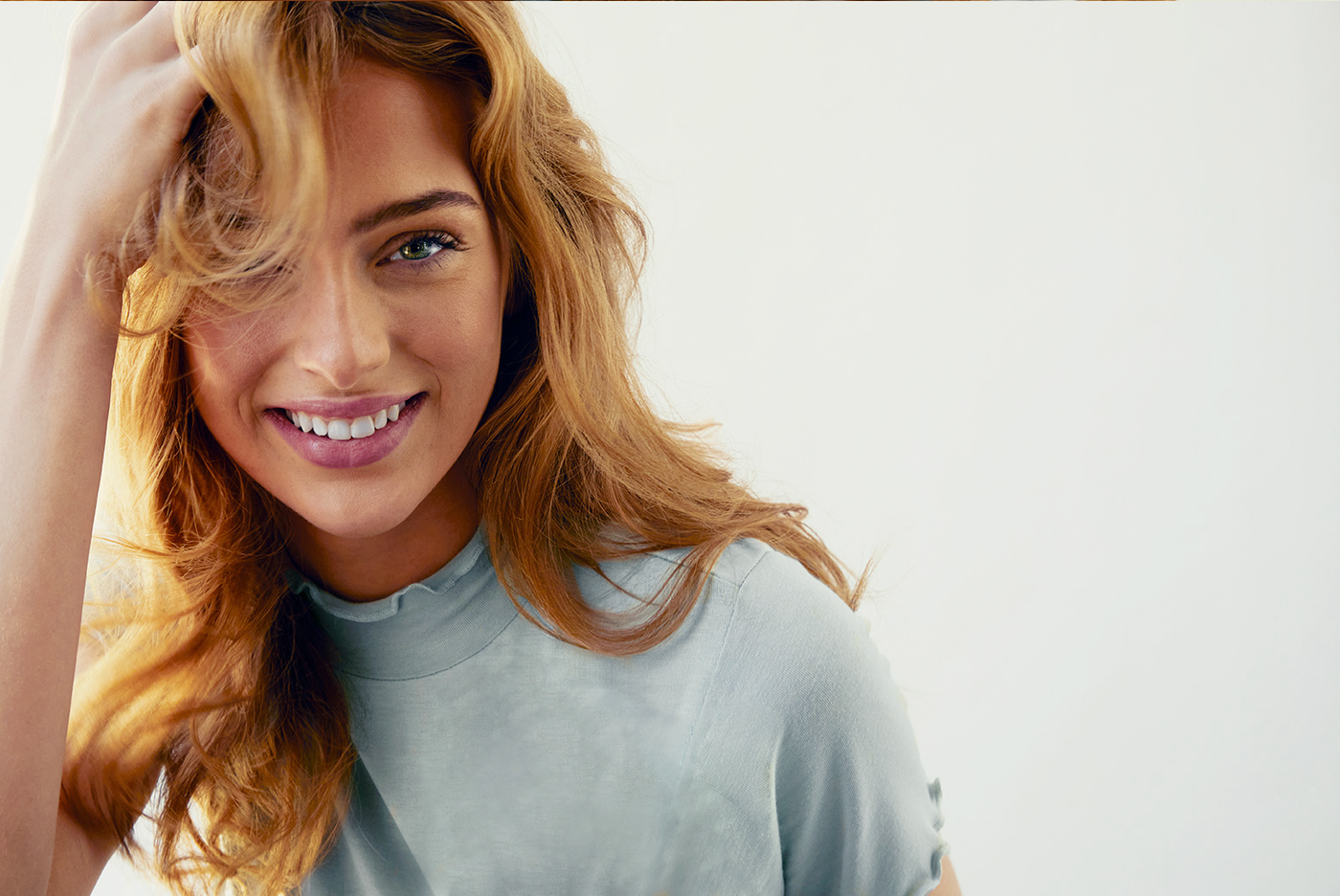
The bright portrait of the smiling woman with her hand in her hair works in the same way. Soft light, natural expression and an easy gesture create an image that feels open and genuine rather than posed.
The Quiet Reward of Seeing Work in the World
For Ben, the most creatively satisfying moments come when the finished work appears unexpectedly in everyday life.
“It’s always really cool seeing your work in use, and it’s great when you see it unexpectedly. One, I often see is a character for a packet of crisps I shot, but I quite often see it in shops. I completely forgot about it, but then you see it being picked up by people in daily life, and that always seems cool.”
That sense of work living beyond the studio is the quiet payoff of the entire process — the planning, the conversations, the technical decisions and the trust-building that ultimately allow personality to come through.
About Ben Spriggs
Ben Spriggs is a fashion and advertising photographer based in Manchester who specialises in bringing characters to life. Known for his personable approach and complete absence of ego, he creates high-quality lifestyle and commercial images that feel genuine, warm and often make the viewer smile. Working extensively with real people, Ben delivers authentic, character-driven photography that connects with audiences while meeting the demands of major brand campaigns.
Website: ben-spriggs.com
All featured images © Ben Spriggs
Written by
Mirza Amirul Islam