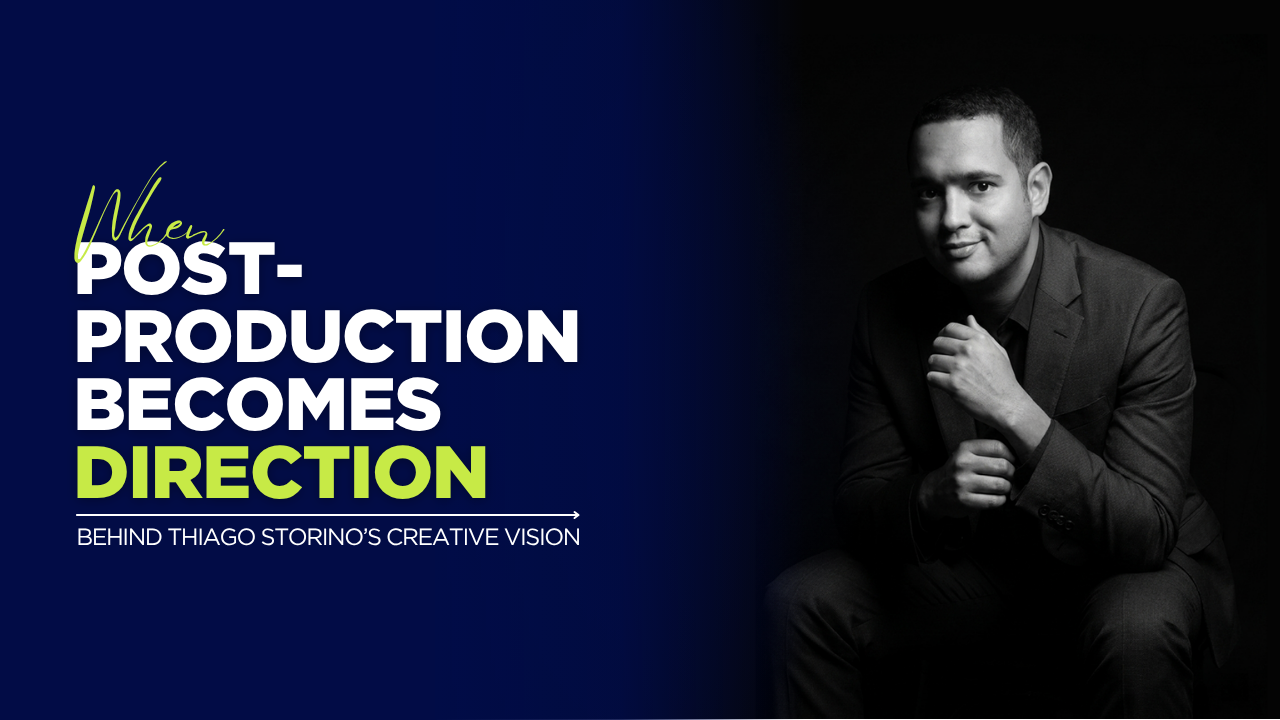
When Post-Production Becomes Direction — Behind Thiago Storino’s Creative Vision
Thiago Storino doesn’t simply finish images — he shapes their final visual direction. Working at the crossroads of creative retouching, photo manipulation and conceptual storytelling, he treats post-production as a natural continuation of the original idea rather than a separate technical stage. Colour, light, atmosphere and restraint become tools of storytelling. In this conversation he shares how he reads a raw file, builds emotion, protects character, keeps consistency across a series, and knows exactly when to stop.

Understanding Intention Before the First Adjustment
Before touching a single layer, Storino first clarifies what the image is meant to say. He believes that without a clear intention, even the most sophisticated techniques remain empty.
“Before I start, I try to understand what the image needs to communicate and what the client’s original intention was, or, in the case of a personal project, what I want the image to convey. From there, I think about what I can do to strengthen the image: guide the viewer’s eye, work with light and colour, and create an atmosphere that helps tell the story. My goal isn’t simply to make an image ‘more beautiful,’ but to make sure all the elements work together so that the final result feels intentional and natural.”
This approach turns post-production into true creative direction. Instead of applying a fixed formula, he looks for ways to guide the viewer’s eye and strengthen the story already present in the frame.
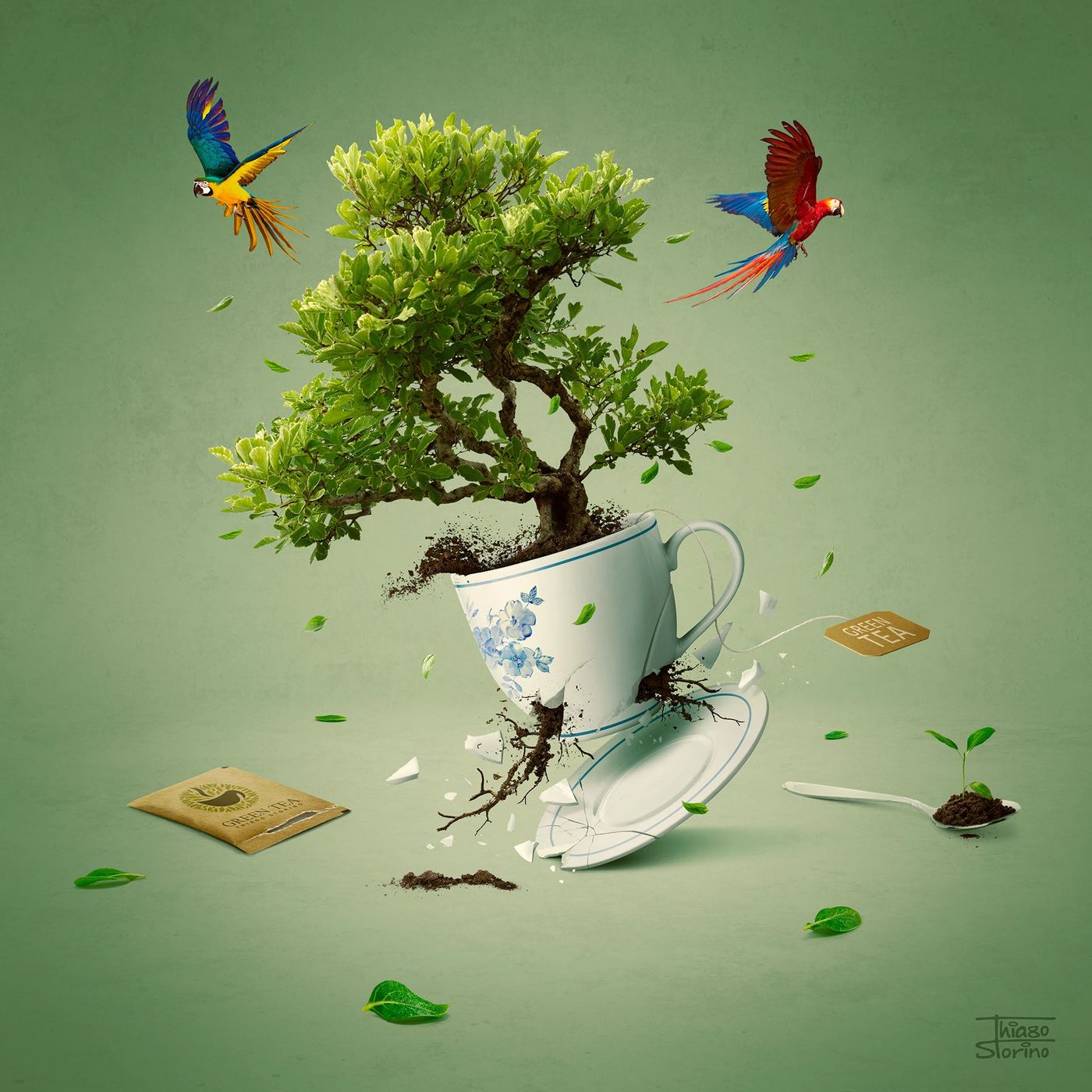
GREEN_TEA is a clear demonstration of this mindset. A living tree erupts from a shattered teacup while colourful parrots fly through the air and a teabag floats nearby. Roots break through porcelain, leaves scatter across a soft green background, and every element feels carefully considered. Nothing is decorative for its own sake — the entire composition supports one strong idea of growth breaking free from the ordinary. The image feels both surreal and purposeful at the same time.
Reading the Raw Image and Working from Micro to Macro
Storino never starts by listing problems. He first identifies what is already working well in the photograph. Only after understanding the strengths does he decide what needs refinement.
“I try to identify what is already working… I tend to work from the micro to the macro. Some imperfections are part of what gives an image its character.”
He looks carefully at light, composition, colour, texture and perspective, paying special attention to anything that might distract from the main subject. Small details often matter more than dramatic changes.
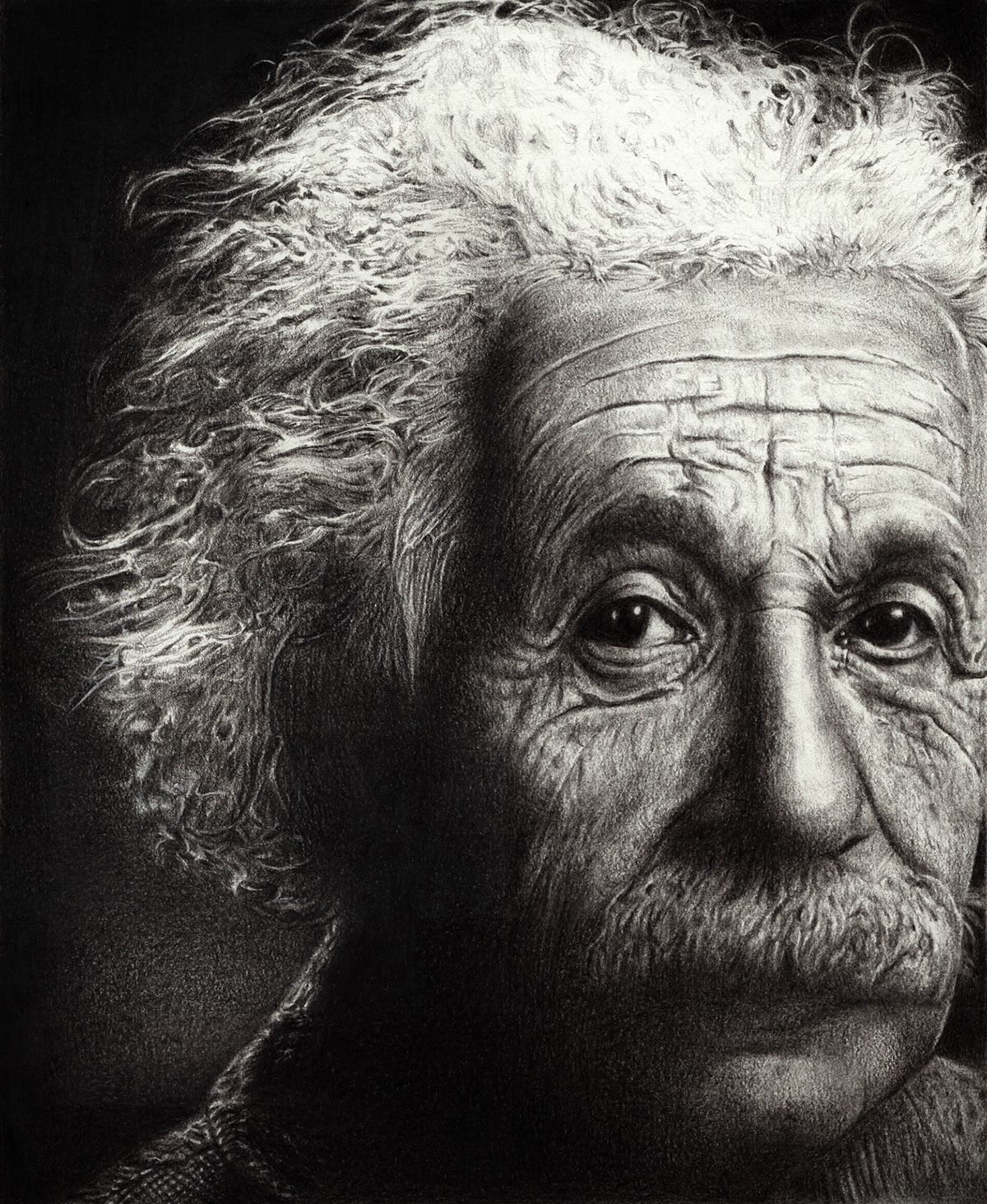
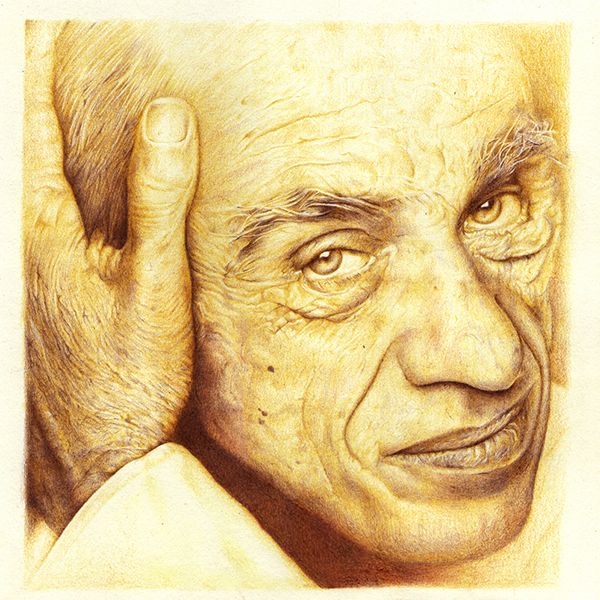
TS_EINSTEIN and TS_BETINHO show this philosophy in practice. Both portraits keep rich skin texture, fine wrinkles and natural irregularities that give the faces real presence. The micro decisions — the way light falls across the forehead, the softness around the eyes, the subtle colour in the skin — protect the personality of the subjects. The overall mood is refined, yet the images never feel overly polished or artificial. Character remains the priority.
Using Colour, Light and Composition to Shape Emotion
For Storino, colour and light are among the most powerful tools available because they can completely change how an image is felt without rewriting its content.
“Colour and light are two of the most powerful tools… I start by thinking about the feeling we want to convey… colour, composition and atmosphere should all belong to the same visual intention.”
He begins with the desired emotion — warmer, colder, more dramatic, more surreal — and then lets colour, contrast and luminosity work together. Composition is equally important because it decides where the eye goes first.
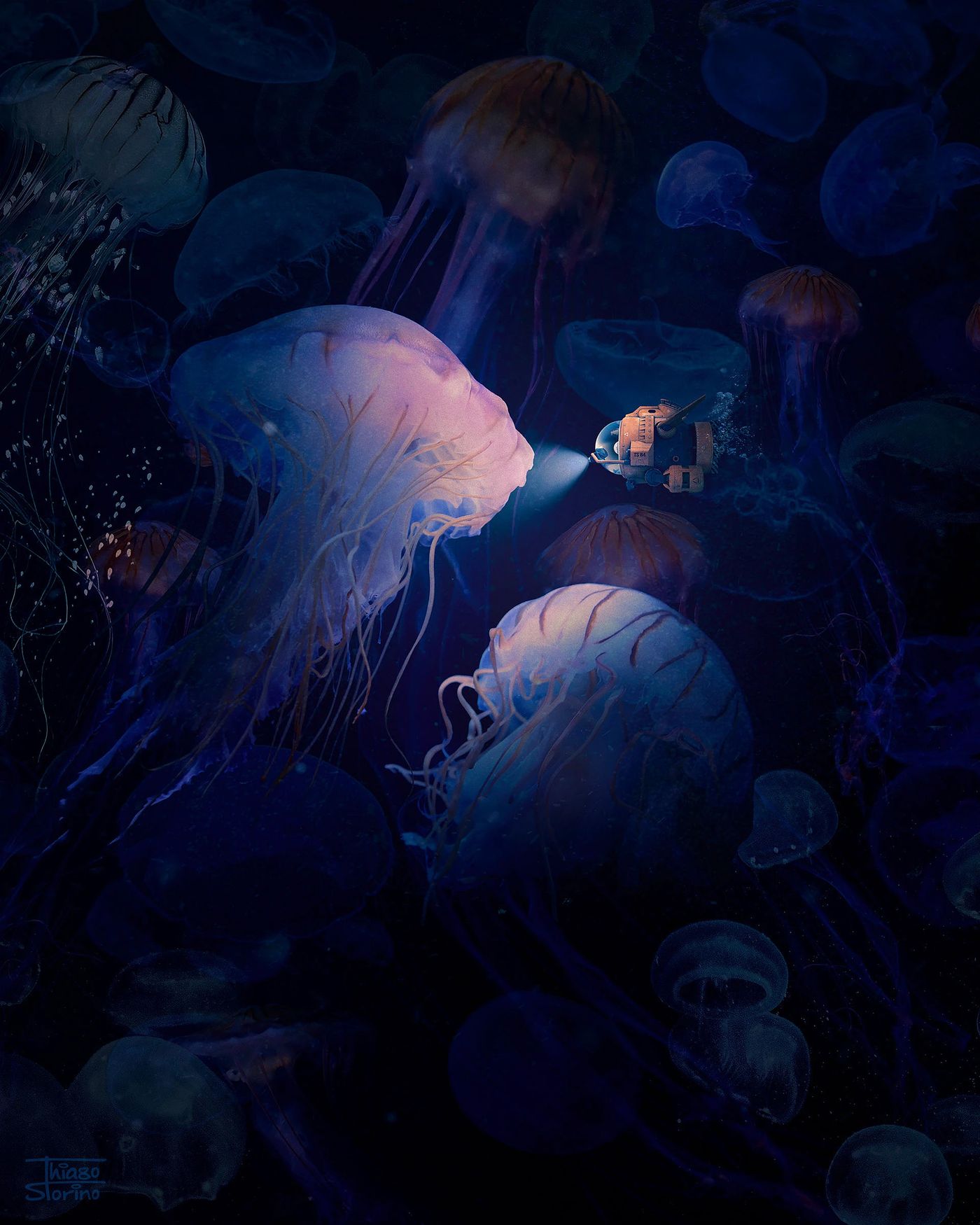
TS_Giant_Jellyfish uses deep blues, soft bioluminescence and a single beam of light from a tiny submarine to create an atmosphere of quiet scale and wonder. The glowing tentacles and floating particles feel almost dreamlike, while the small vehicle gives the viewer a sense of human presence inside a vast underwater world.
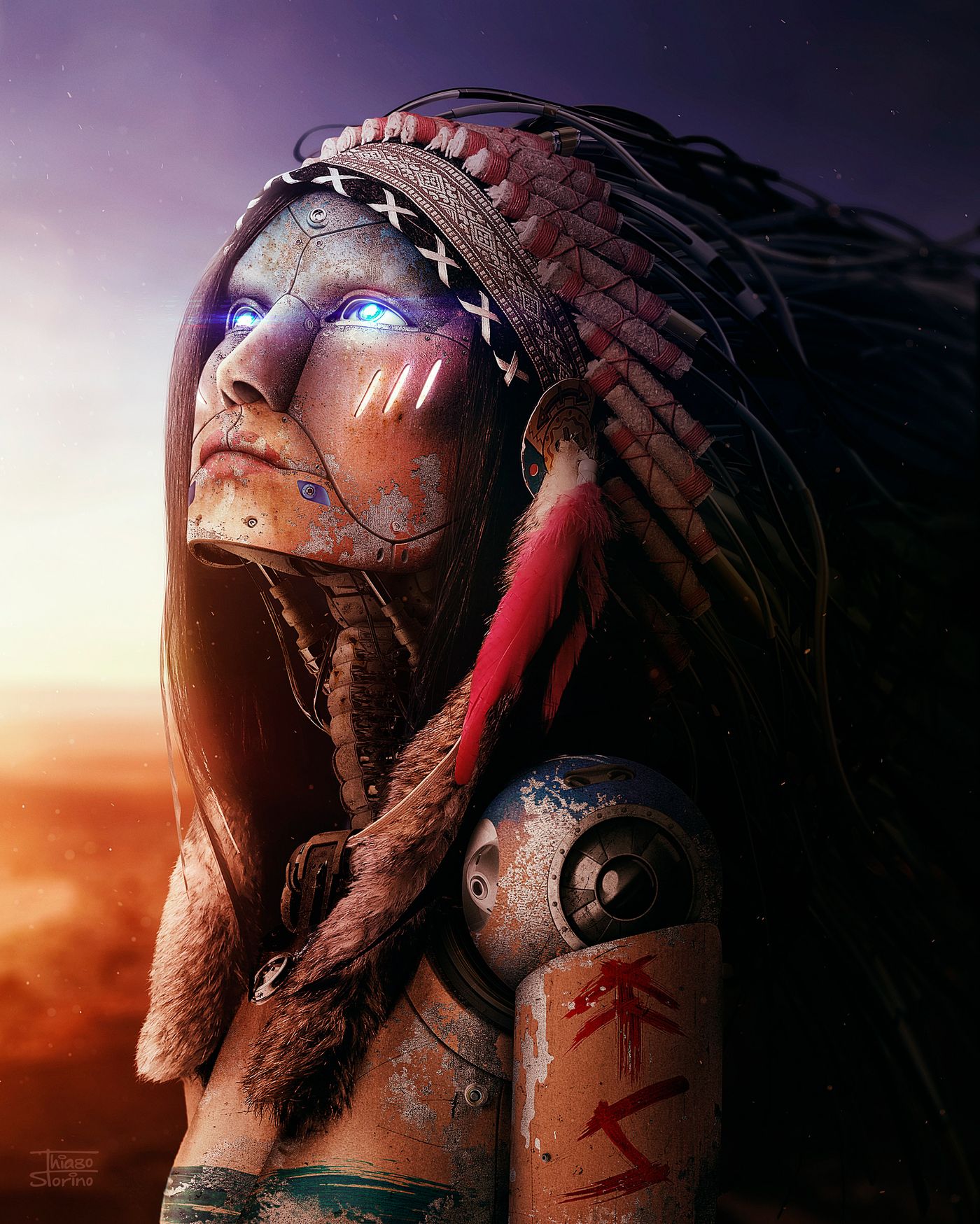
NATIVE_ROBOT takes a different emotional path. Warm sunset light wraps around weathered metal and traditional feathers, while bright blue robotic eyes create a striking contrast. The combination of old and new, organic and mechanical, produces a powerful feeling of dignity and quiet intensity.
Balancing Creative Retouching with Authenticity
Even when the work becomes highly conceptual, Storino refuses to erase the personality of the original image.
“Good post-production shouldn’t erase what made the photograph interesting… an image that is too perfect can easily lose its personality. The technique should serve the image rather than become the main focus.”
He believes that texture, natural light and small imperfections are often what make an image feel real and memorable. Over-perfecting can remove the very qualities that give a photograph its soul.
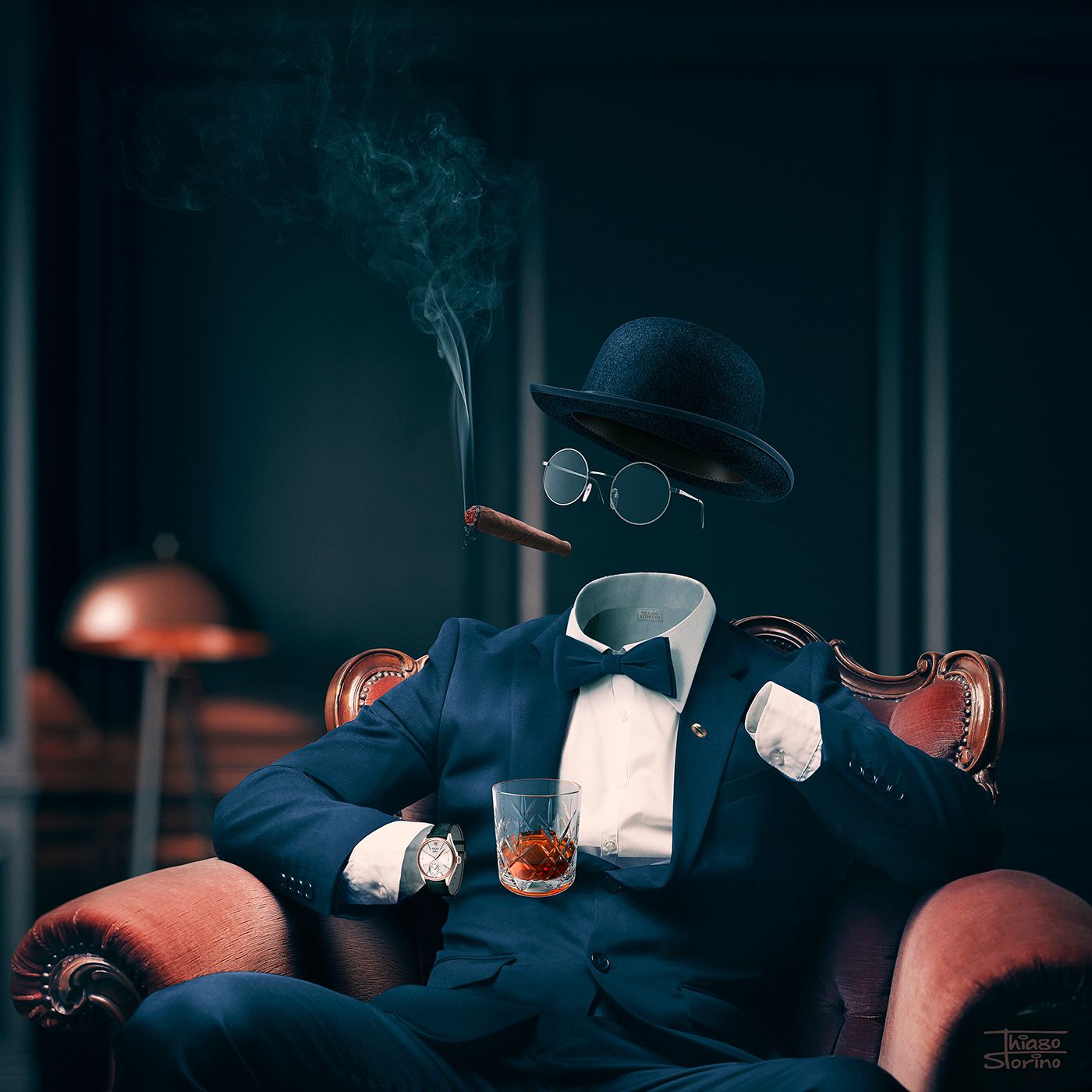
TS_MR_INVISIBLE demonstrates this balance perfectly. The missing head is a bold conceptual choice, yet every other element stays grounded and believable. The fabric of the suit has natural folds and texture, the cigar smoke rises in a realistic way, the glass of whiskey catches the light correctly, and the leather armchair feels solid and lived-in. The technique never becomes louder than the idea itself. The result is surreal yet completely convincing.
Consistency Across a Series and the Power of Collaboration
When working on multiple images, Storino always thinks of the set as a whole rather than isolated frames.
“I try to see the images as a whole… Consistency doesn’t mean uniformity. The challenge is to allow each image to work individually while maintaining a recognisable visual language.”
He also sees post-production as a collaborative stage that continues the creative conversation started on set.
“I see post-production as an extension of the creative process… The best results usually come from collaboration… knowing what to do and also knowing when to stop.”
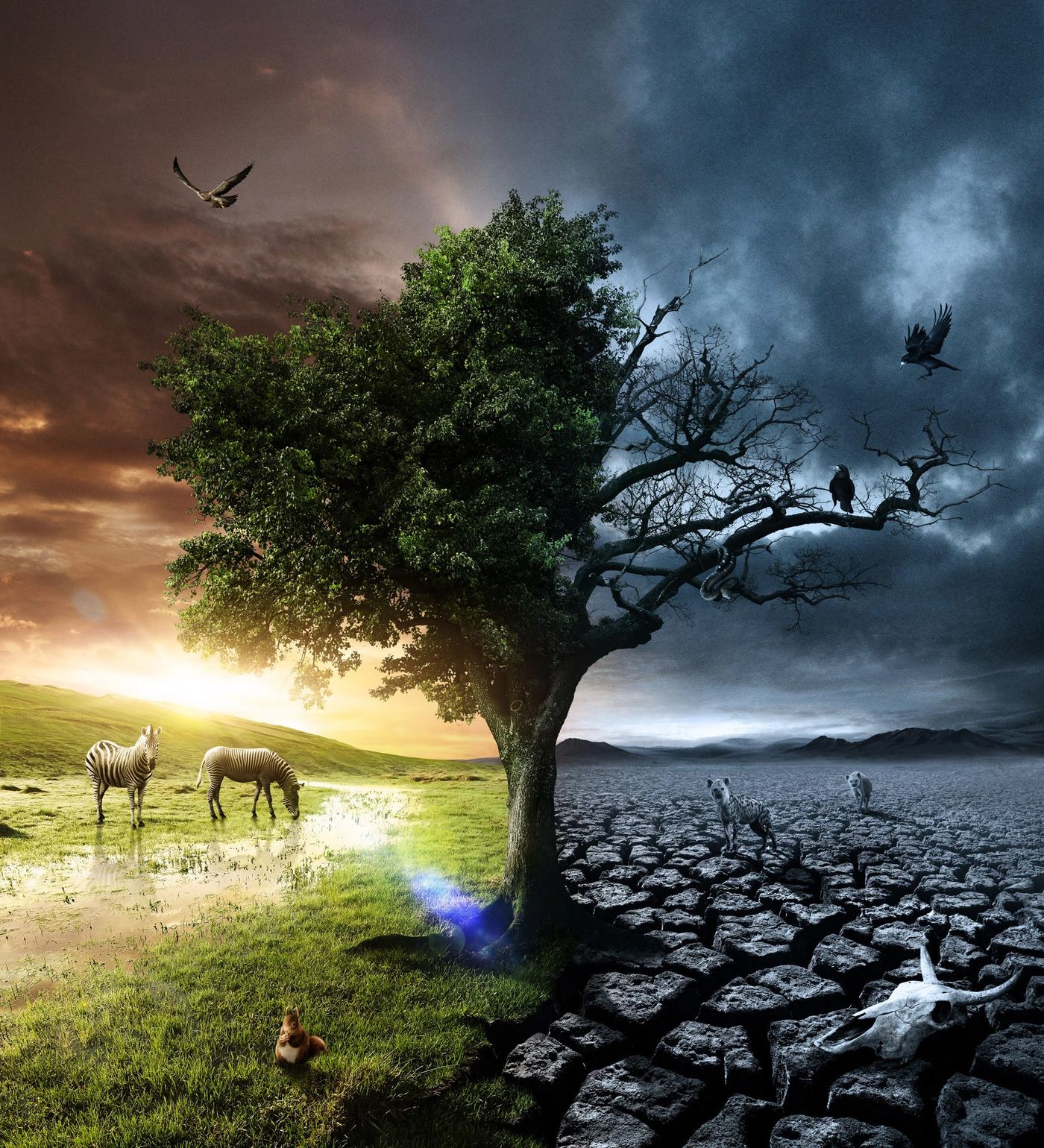
LIFE_OR_DEATH splits a single tree into two opposing worlds — lush green life on one side and cracked, lifeless earth on the other. Zebras graze under warm light while scavengers and a skull appear under stormy skies. The image creates a powerful visual metaphor about balance, contrast, and the fragile line between life and death.
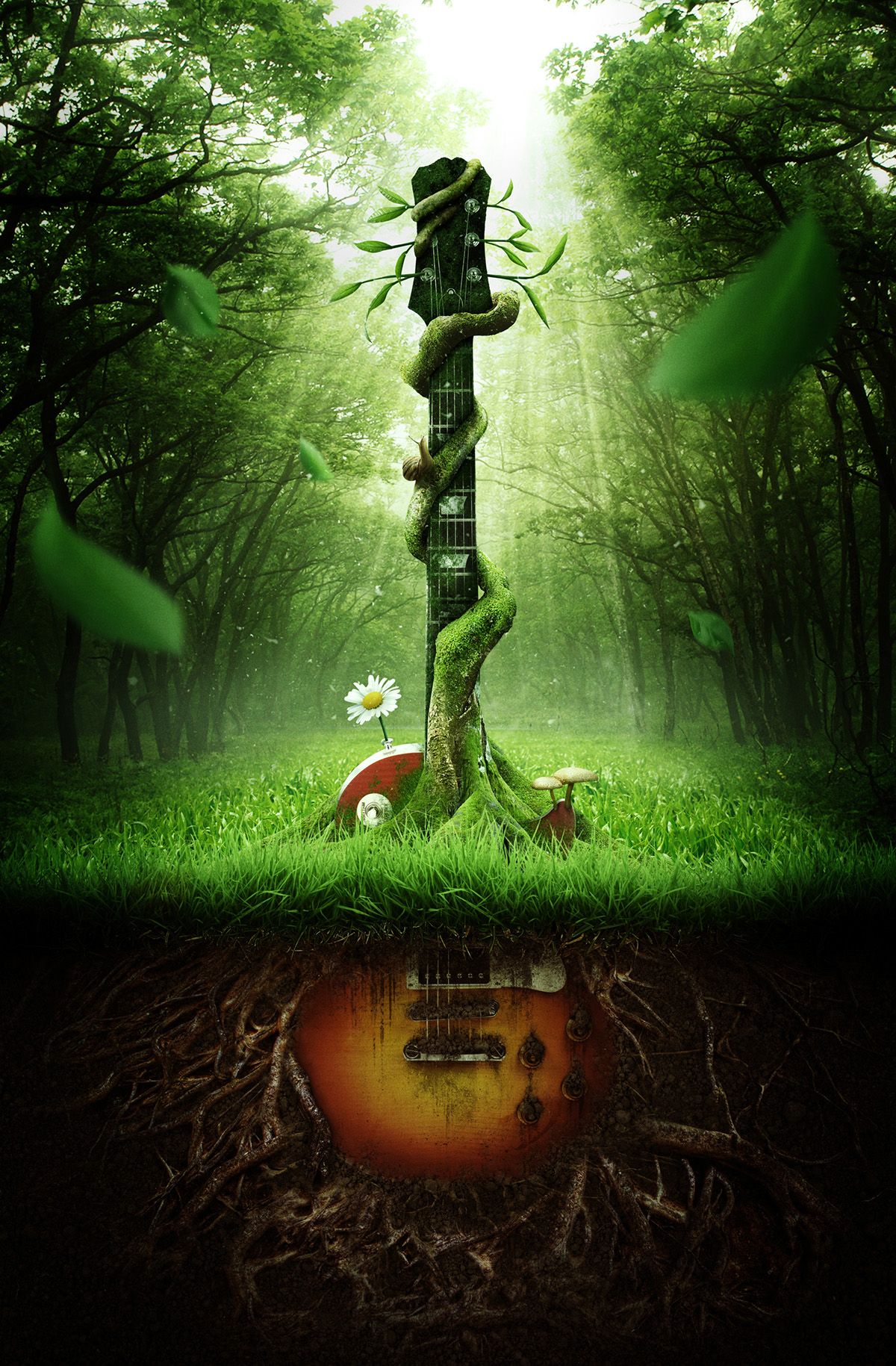
TS_SOUNDS_OF_NATURE shows an electric guitar growing directly from the forest floor. Moss covers the neck, vines wrap around the body, and roots extend deep underground. Soft light filters through the trees while a daisy and mushrooms rest near the base. The image quietly blends music and nature into one poetic, almost spiritual scene.
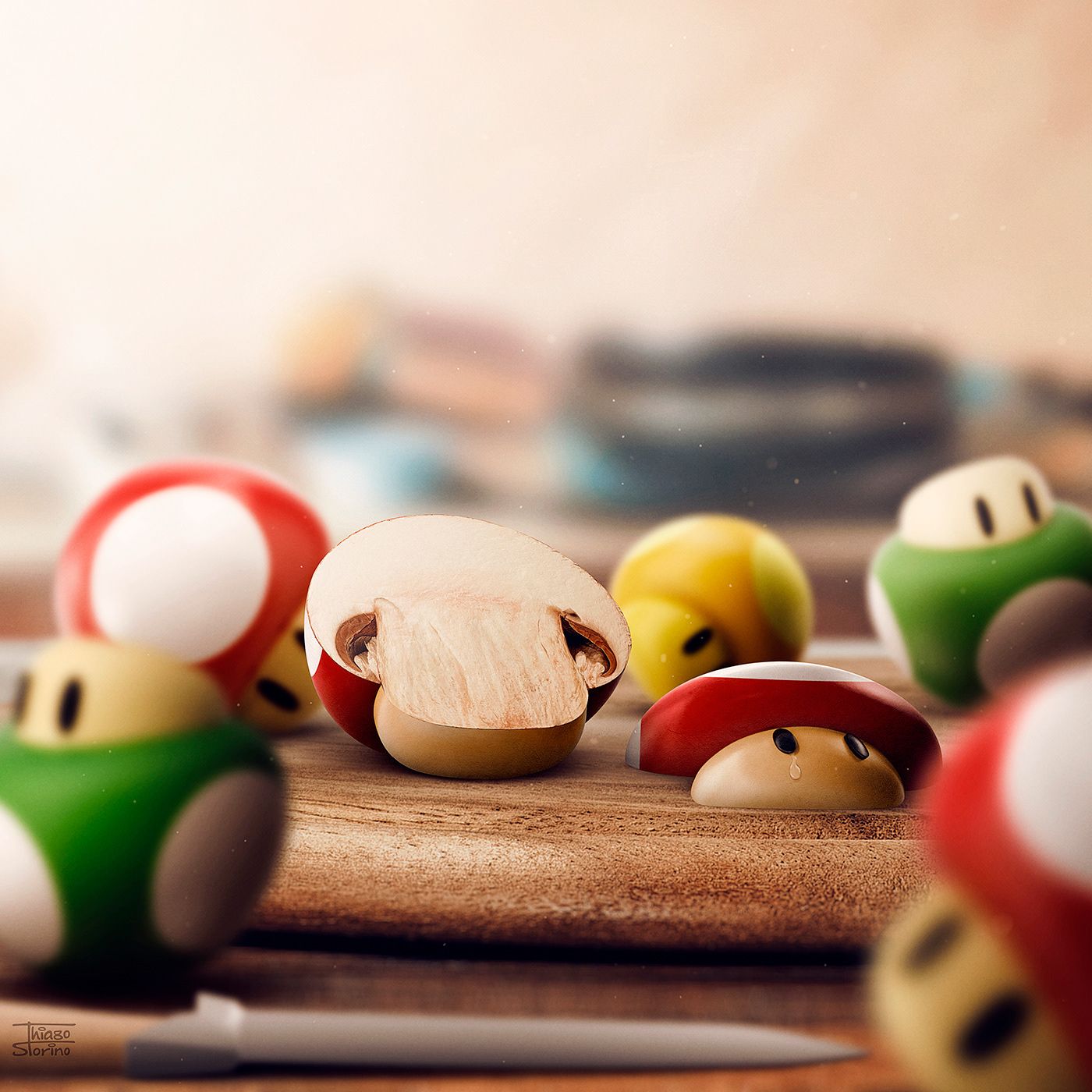
TS_WRONG_RECIPE places Mario-style mushrooms on a wooden cutting board in a soft, kitchen-like setting. One mushroom has been sliced open while others look on with worried expressions. Warm lighting and careful focus turn a playful idea into a surprisingly emotional and humorous moment about something going wrong in the kitchen.
About Thiago Storino
Thiago Storino is an experienced post-production professional with a background in arts and design. His expertise spans photography, illustration, logo design, advertising, Adobe Creative Suite, and creative retouching, combining technical skill with a strong creative approach to visual storytelling.
All featured images © Thiago Storino
Written by
Mirza Amirul Islam